How to get there
About one hour from Limassol and 90 minutes from Nicosia by mountain road. Base yourself in Platres or Kakopetria to reach the painted churches and the Caledonia and Artemis trails.
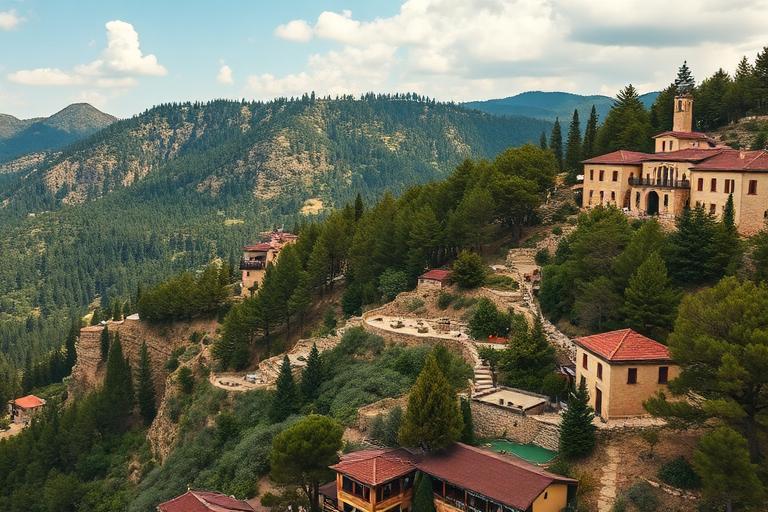 Cyprus
A pine-forested mountain range with UNESCO-listed painted churches, traditional villages, and Mount Olympus at 1,952m.
Photograph by Anas Morsali, taken during his own trip
The Troodos Mountains form the backbone of Cyprus, rising to 1,952 metres at Mount Olympus (Chionistra), the island's highest peak. Unlike the sun-baked coastline below, the Troodos range is a world of cool pine forests, rushing streams, and traditional stone-built villages where time seems to move slowly. The mountains are home to ten Byzantine-era painted churches, inscribed as a UNESCO World Heritage Site, their unassuming stone exteriors hiding interiors adorned with exquisite frescoes dating from the 11th to the 16th century. The village of Kakopetria, with its lovingly restored old quarter of stone houses and narrow lanes, offers a glimpse into traditional Cypriot mountain life. The Caledonia Trail follows a stream through dense forest to a beautiful waterfall, while the Artemis Trail circles Mount Olympus through ancient black pine forests. In winter, the summit offers the surreal experience of skiing with views of the distant Mediterranean — possibly the only place in the world where you can ski in the morning and swim in the sea by afternoon. The Troodos region also produces some of Cyprus's finest wines, particularly the indigenous Commandaria, believed to be the oldest named wine in the world.
Planning the wider trip? The Cyprus planning guide covers how to get there, how to move around, where to stay, realistic costs and a day-by-day itinerary that includes Troodos Mountains.
About one hour from Limassol and 90 minutes from Nicosia by mountain road. Base yourself in Platres or Kakopetria to reach the painted churches and the Caledonia and Artemis trails.
May to October for hiking; January to March for snow at Mount Olympus.
One to two days.
Most UNESCO painted churches ask for a small donation; trails are free.
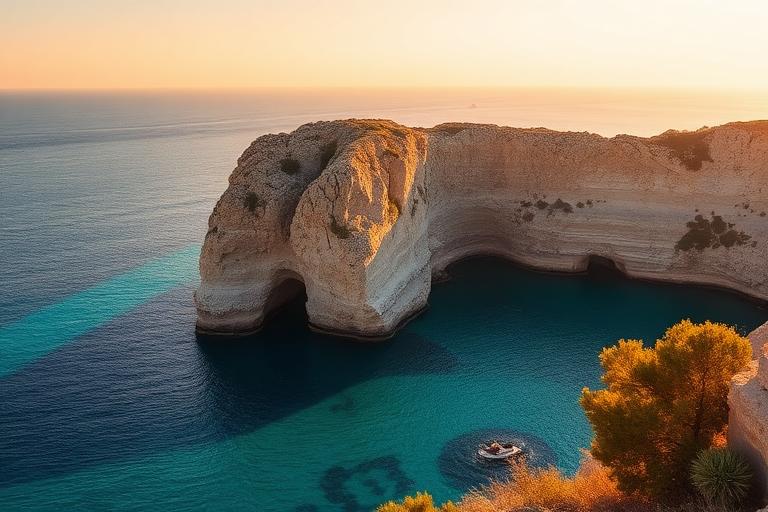
The legendary birthplace of the goddess Aphrodite, a dramatic sea stack rising from turquoise waters along a stunning coastline.
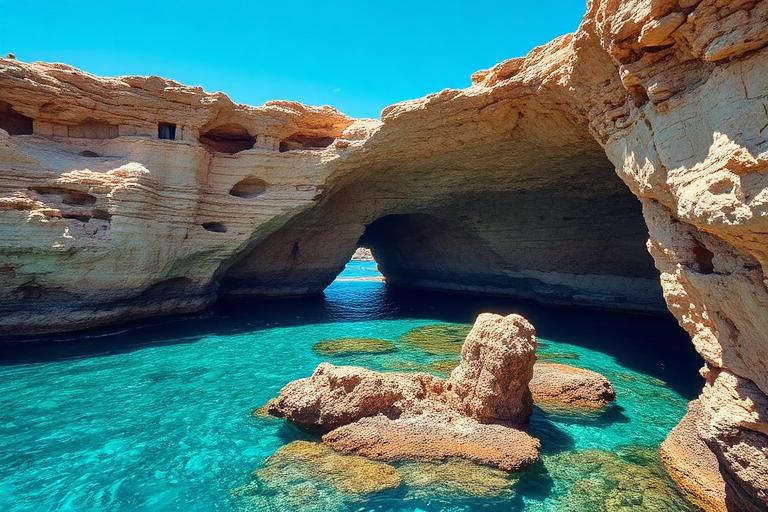
A stunning coastal national park with dramatic sea caves, natural rock arches, and crystal-clear waters perfect for diving.
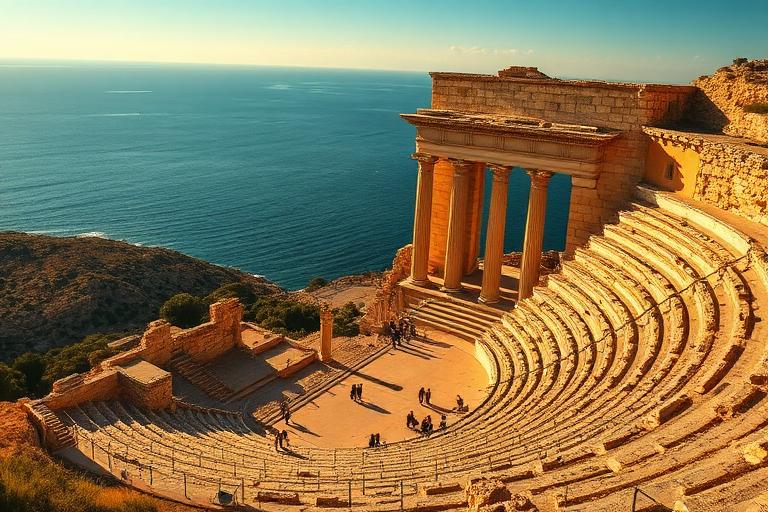
A magnificent Greco-Roman archaeological site perched on coastal cliffs with a restored amphitheatre still used for performances.
We use cookies for analytics and advertising, including Google AdSense and Google Analytics. You can accept or decline personalised advertising and measurement cookies. Essential cookies needed to display the site are always active. Read our privacy policy.