How to get there
The site is on the B6 coastal road between Paphos (25 minutes) and Limassol (40 minutes). Park at the signed viewpoint and use the underpass to reach the pebble beach.
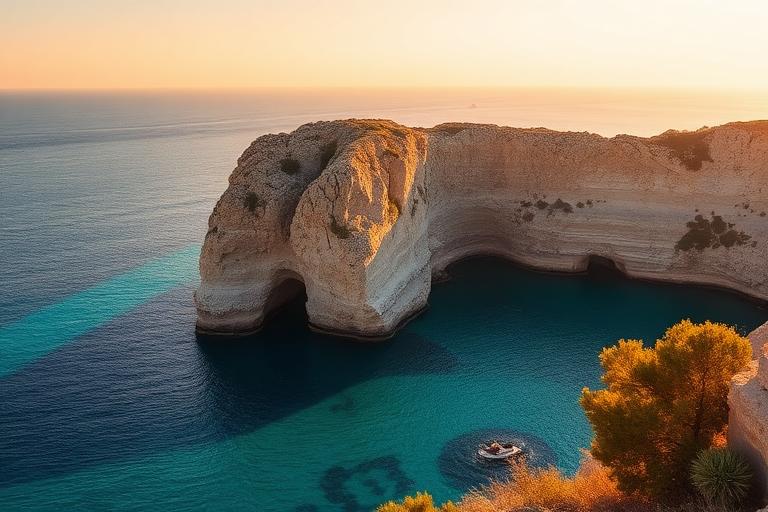 Cyprus
The legendary birthplace of the goddess Aphrodite, a dramatic sea stack rising from turquoise waters along a stunning coastline.
Photograph by Anas Morsali, taken during his own trip
Petra tou Romiou (Rock of the Greek), more commonly known as Aphrodite's Rock, is one of the most iconic natural landmarks in Cyprus, located along the southwestern coast between Paphos and Limassol. According to ancient Greek mythology, this is the spot where the goddess Aphrodite emerged from the sea foam and came ashore. The dramatic sea stack, surrounded by crystal-clear turquoise waters, creates a scene of extraordinary beauty, especially at sunset when the limestone rocks glow golden against the deepening Mediterranean sky. Legend holds that swimming around the rock three times grants eternal beauty — though the strong currents make this inadvisable. The beach of smooth pebbles below the coastal cliffs is a popular spot for swimming and sunbathing. A viewpoint above the road offers panoramic photographs of the coastline. The site is part of a wider archaeological landscape stretching to Old Paphos (Kouklia), where the ancient Temple of Aphrodite once drew pilgrims from across the ancient world.
Planning the wider trip? The Cyprus planning guide covers how to get there, how to move around, where to stay, realistic costs and a day-by-day itinerary that includes Aphrodite's Rock (Petra tou Romiou).
The site is on the B6 coastal road between Paphos (25 minutes) and Limassol (40 minutes). Park at the signed viewpoint and use the underpass to reach the pebble beach.
April to June and September to October; sunset all year.
1 hour.
Free; the car park and the visitor centre across the road are also free.
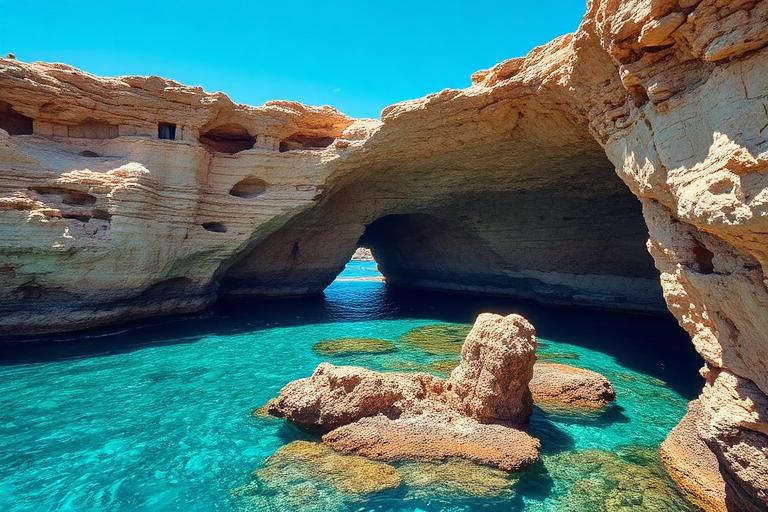
A stunning coastal national park with dramatic sea caves, natural rock arches, and crystal-clear waters perfect for diving.
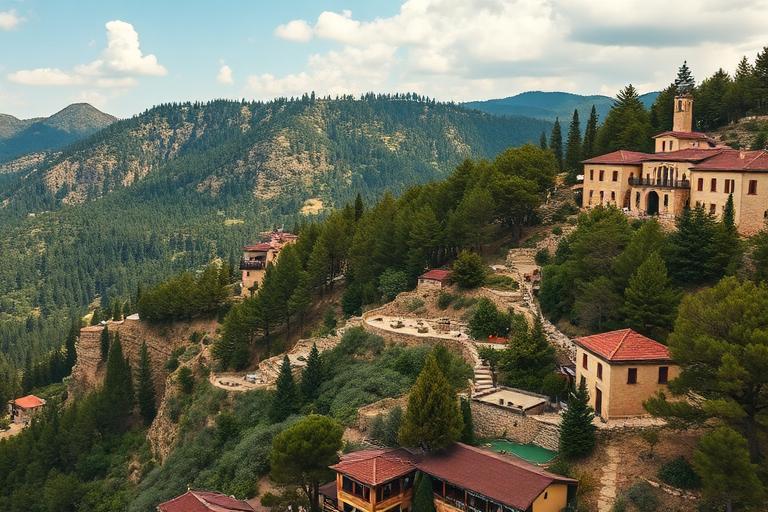
A pine-forested mountain range with UNESCO-listed painted churches, traditional villages, and Mount Olympus at 1,952m.
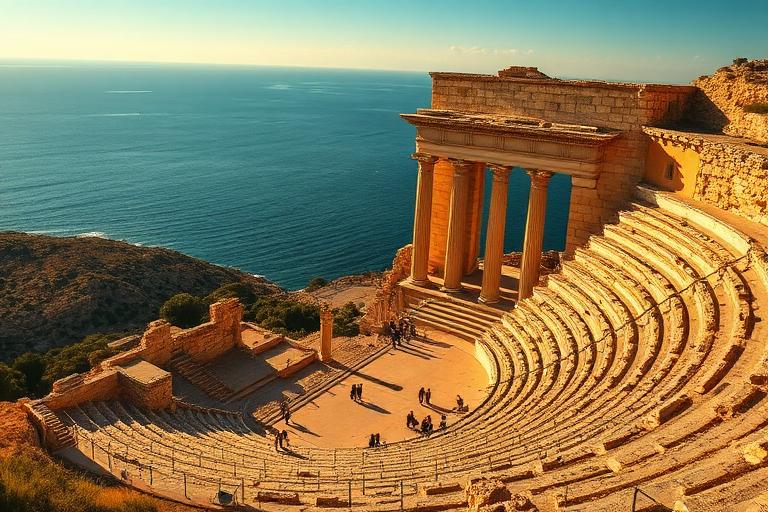
A magnificent Greco-Roman archaeological site perched on coastal cliffs with a restored amphitheatre still used for performances.
We use cookies for analytics and advertising, including Google AdSense and Google Analytics. You can accept or decline personalised advertising and measurement cookies. Essential cookies needed to display the site are always active. Read our privacy policy.