An Ancient Mediterranean Crossroads of Myth, Sun-Drenched Coasts & Mountain Villages
Best time to visit
April – November
Location
Cyprus
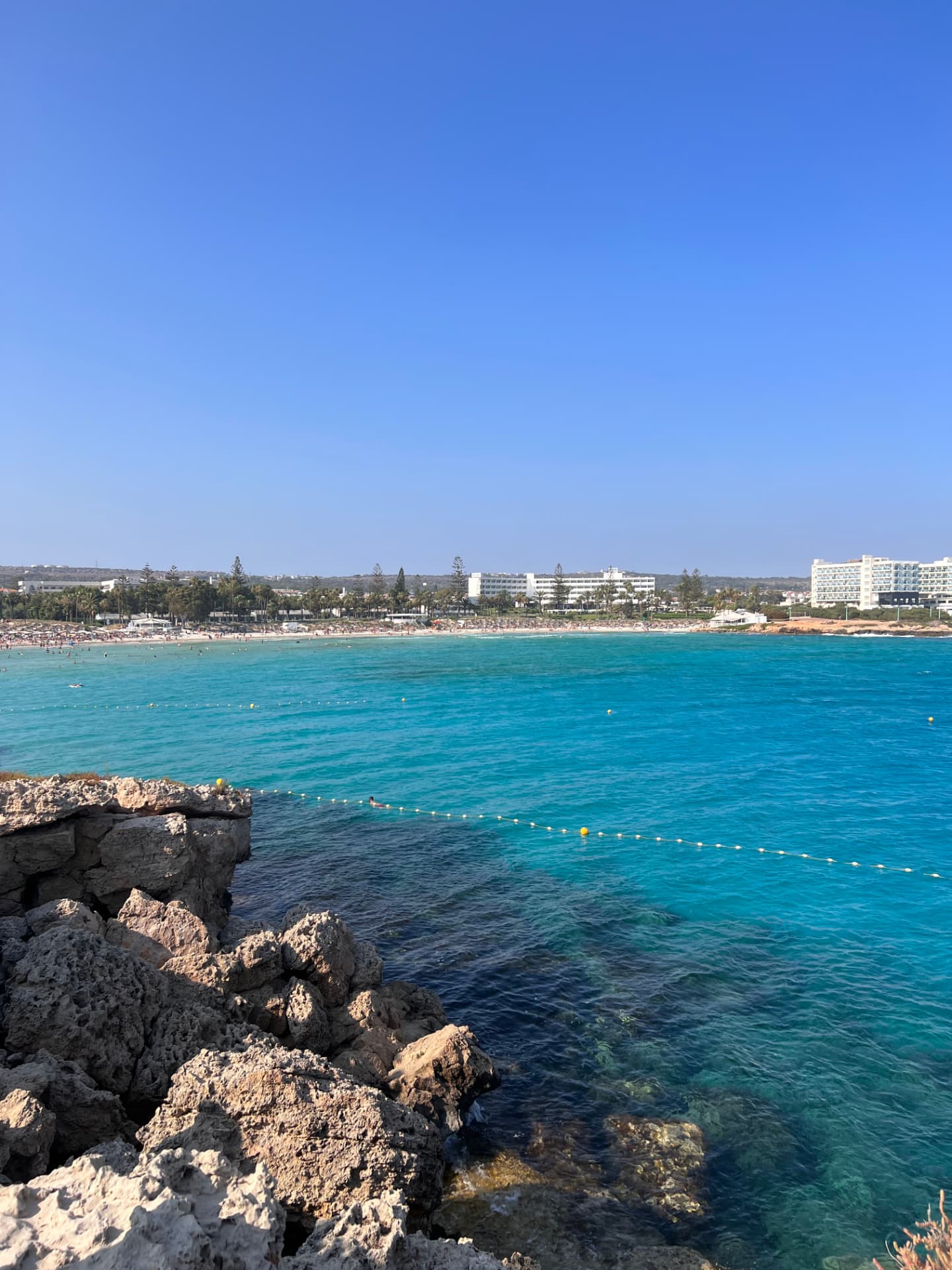
Photograph by Anas Morsali, taken during his own trip
Written and reviewed by Anas Morsali, founder of travellerseasyLast reviewed 11 September 2026Based on the author's own tripHow we research
About Cyprus
Cyprus, the third largest island in the Mediterranean, sits at the crossroads of Europe, Asia, and Africa — a position that has shaped its extraordinary cultural tapestry over 10,000 years of continuous habitation. From the mythological birthplace of Aphrodite to Crusader castles, Byzantine monasteries, and Venetian walls, the island layers history upon history. Its diverse landscape ranges from golden beaches and dramatic sea caves along the coast to the pine-forested Troodos Mountains in the interior, offering year-round sunshine and a warmth — both climatic and cultural — that has welcomed travellers since antiquity.
Cyprus works as a year-round destination if you match the season to the activity: coast and sea from May to November, Troodos hiking in spring and autumn, and skiing on Mount Olympus in February. This guide covers driving on the island, the practicalities of crossing between the south and the north, and a week-long route that mixes archaeology with beaches.
Getting there
Larnaca and Paphos airports serve the south with wide European connections; Ercan in the north is reachable only via Turkey. Ferries are limited, so almost everyone arrives by air. Transfers from Larnaca to Ayia Napa take about 45 minutes and to Paphos about 1h45.
Getting around
Driving is on the left and a rental car is the only practical way to reach Troodos villages and remote beaches. Motorways are free and in good condition. Crossing to the northern part of the island by rental car requires separate insurance bought at the checkpoint, and most rental agreements from the north do not allow travel to the south — check before booking.
Where to stay
Paphos suits archaeology and the Akamas peninsula, Limassol offers the best restaurants and a central position, Ayia Napa and Protaras suit beaches and families, and a stone village guesthouse in Troodos — Kakopetria, Omodos or Platres — is the best way to escape summer heat.
What it costs
Cyprus is mid-priced by European standards: €70–140 per night for a double outside August, €20–35 per person for a meze dinner, €30–45 per day for a car, and €4.50 for most archaeological sites. A combined ticket covers several Paphos sites.
Suggested itinerary
Day 1–2
Paphos
The Tombs of the Kings, the mosaics at Nea Paphos, and Aphrodite's Rock at Petra tou Romiou for sunset.
Day 3
Akamas peninsula
Lara Bay turtle beach and the Avakas Gorge — a 4x4 or a boat trip from Latchi is needed for the rough tracks.
Day 4
Troodos
The painted Byzantine churches of Kakopetria and Galata, both UNESCO-listed, and a walk on the Artemis or Caledonia trail.
Day 5
Kourion and Limassol
The Greco-Roman theatre above the sea at Kourion, then Kolossi Castle and the Limassol seafront.
Day 6–7
Cape Greco and the east
Sea caves, the Konnos Bay viewpoint and the beaches around Protaras, with a day trip to Nicosia's divided old town.
Practical planning tips
July and August inland temperatures regularly exceed 38 °C; plan sightseeing for early morning.
Sunday is a good day for Nicosia museums but many village tavernas close in the afternoon.
Photography is prohibited near the UN buffer zone and military areas — signs are clearly posted.
Bring water for hikes in the Akamas; there are no refill points on the trails.
Common questions
Can you visit both sides of the island?
Yes. Pedestrians and cars cross at several checkpoints with a passport or EU ID. Extra car insurance is bought on the spot.
When is the sea warm enough?
The sea stays above 22 °C from late May to early November, peaking around 28 °C in August.
Written and researched by travellerseasy. Guides combine first-hand material where available with checks against official transport, park and tourism sources. Prices and timetables change — read our editorial standards to see how these guides are researched, and tell us if something is out of date.
We use cookies for analytics and advertising, including Google AdSense and Google Analytics. You can accept or decline personalised advertising and measurement cookies. Essential cookies needed to display the site are always active. Read our privacy policy.