How to get there
Twenty minutes by car from Ayia Napa or Protaras. The park has several car parks — the sea caves, the Kamara tou Koraka bridge and the Agioi Anargyroi chapel are the three main stops.
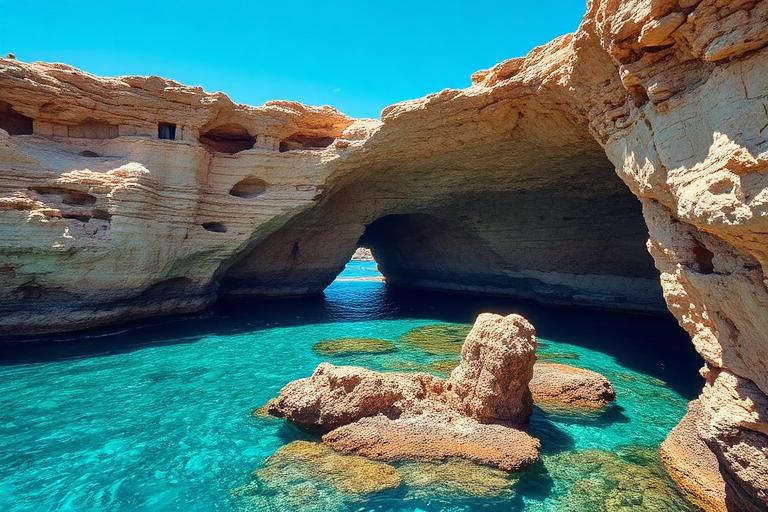 Cyprus
A stunning coastal national park with dramatic sea caves, natural rock arches, and crystal-clear waters perfect for diving.
Photograph by Anas Morsali, taken during his own trip
Cape Greco (Cavo Greko) is a national forest park occupying the southeastern tip of Cyprus between Ayia Napa and Protaras, offering some of the most spectacular coastal scenery on the island. The park features dramatic limestone sea caves carved by millennia of wave action, natural rock bridges, and towering cliff faces plunging into waters of extraordinary clarity and colour — ranging from deep sapphire to luminous turquoise. The sea caves near Ayia Napa are among the most photographed locations in Cyprus, accessible by foot along coastal trails or by kayak and boat. The park's underwater landscape is equally impressive, making it one of the best diving and snorkelling destinations in the Mediterranean, with visibility often exceeding 30 metres. On land, well-marked nature trails wind through Mediterranean scrubland fragrant with thyme, oregano, and juniper. The Agioi Anargyroi chapel, built into a cave overlooking the sea, is a hidden gem. The cape is also renowned for its sunrises, which paint the rocky coastline in shades of pink and gold.
Planning the wider trip? The Cyprus planning guide covers how to get there, how to move around, where to stay, realistic costs and a day-by-day itinerary that includes Cape Greco National Park.
Twenty minutes by car from Ayia Napa or Protaras. The park has several car parks — the sea caves, the Kamara tou Koraka bridge and the Agioi Anargyroi chapel are the three main stops.
Spring for wildflowers, summer for swimming; midday sun is fierce.
Half a day.
Free entry and free parking.
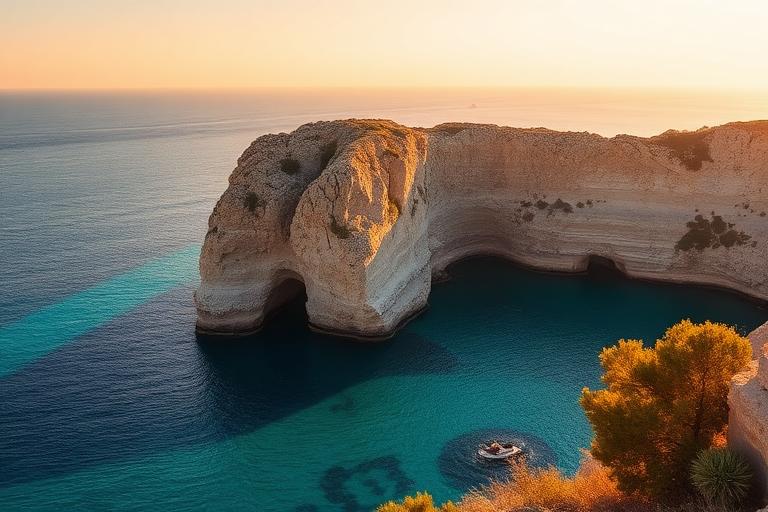
The legendary birthplace of the goddess Aphrodite, a dramatic sea stack rising from turquoise waters along a stunning coastline.
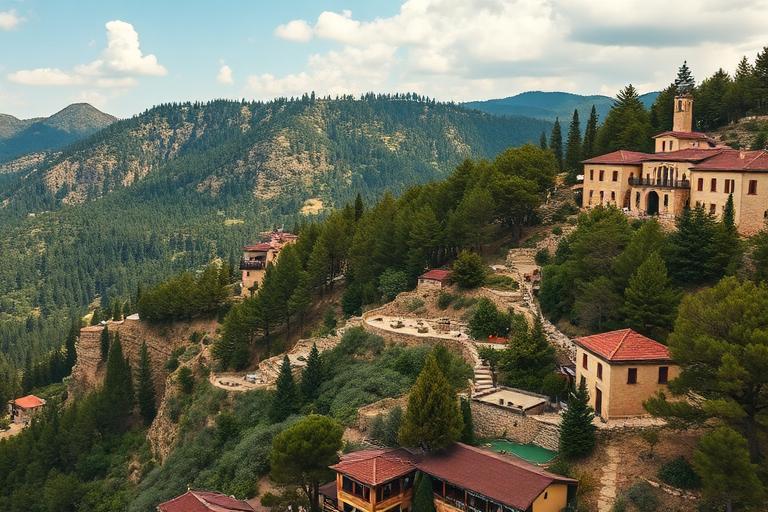
A pine-forested mountain range with UNESCO-listed painted churches, traditional villages, and Mount Olympus at 1,952m.
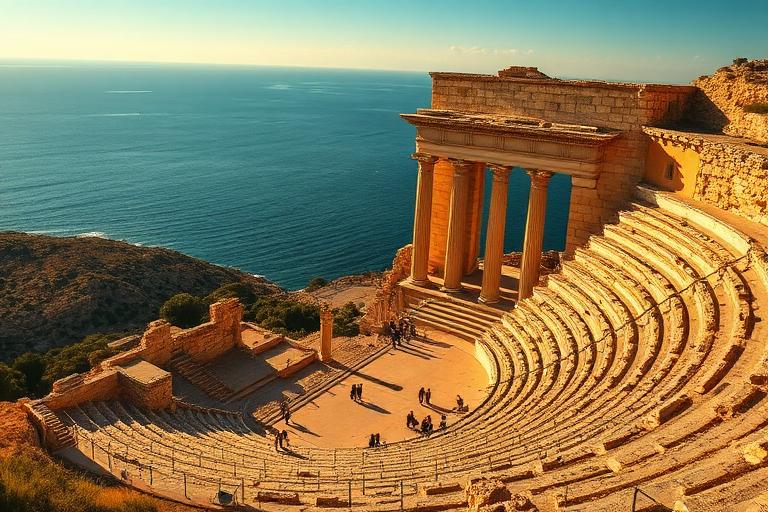
A magnificent Greco-Roman archaeological site perched on coastal cliffs with a restored amphitheatre still used for performances.
We use cookies for analytics and advertising, including Google AdSense and Google Analytics. You can accept or decline personalised advertising and measurement cookies. Essential cookies needed to display the site are always active. Read our privacy policy.