How to get there
Trains from Salzburg take about 2h30 with a change, ending with a short boat crossing from Hallstatt station to the village. By car it is 75 minutes, but private cars are restricted in the centre.
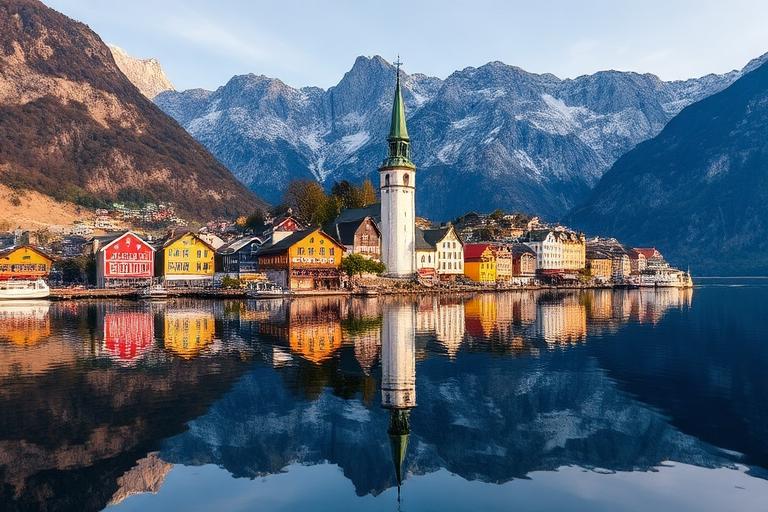 Austria
A fairy-tale lakeside village nestled between towering Alps and a mirror-still lake, one of the most photographed places in the world.
Photograph by Anas Morsali, taken during his own trip
Hallstatt is a tiny village of fewer than 800 inhabitants on the southwestern shore of Lake Hallstatt in the Salzkammergut region of Upper Austria, and is widely considered one of the most beautiful villages on Earth. Squeezed between the towering Dachstein massif and the emerald waters of the lake, Hallstatt's pastel-coloured houses, Gothic church spire, and wooden boathouses create a scene so perfect it was famously replicated in full scale in China. The village has been continuously inhabited for over 7,000 years, with salt mining dating back to the Bronze Age — the prehistoric Hallstatt culture (800–450 BC) takes its name from this settlement. Visitors can explore the world's oldest salt mine (Salzwelten), ride the funicular to the Skywalk viewing platform 350 metres above the lake, or simply wander the car-free village centre where every angle reveals a postcard-perfect view. The charming Marktplatz (market square) is surrounded by traditional Austrian houses with flower-filled window boxes. For the most magical experience, stay overnight after the day-trippers depart and witness the village reflected in the glassy lake at dawn, with mist rising from the water and church bells echoing off the mountains.
Planning the wider trip? The Austria planning guide covers how to get there, how to move around, where to stay, realistic costs and a day-by-day itinerary that includes Hallstatt.
Trains from Salzburg take about 2h30 with a change, ending with a short boat crossing from Hallstatt station to the village. By car it is 75 minutes, but private cars are restricted in the centre.
May, June, September and October; winter is quiet and atmospheric.
Half a day, or a night if you want the village to yourself.
Parking €10–15 per day; the Salzwelten salt mine and funicular around €40 combined.
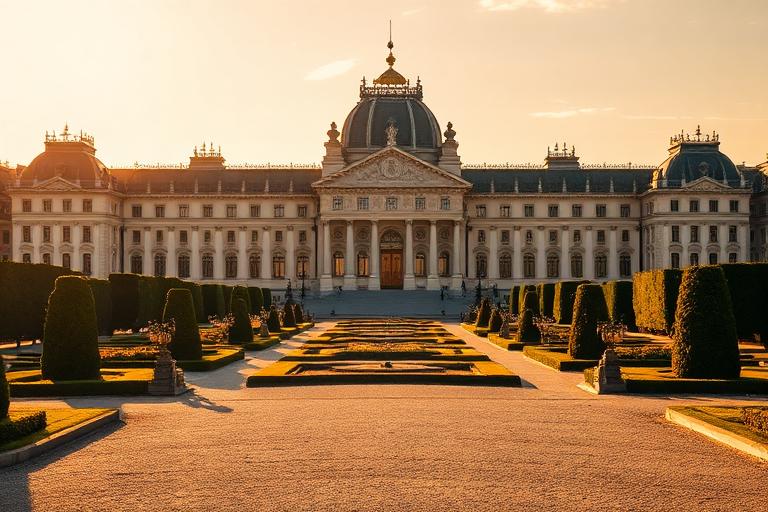
Austria's imperial capital, a UNESCO city of baroque palaces, world-class museums, coffeehouse culture, and classical music heritage.
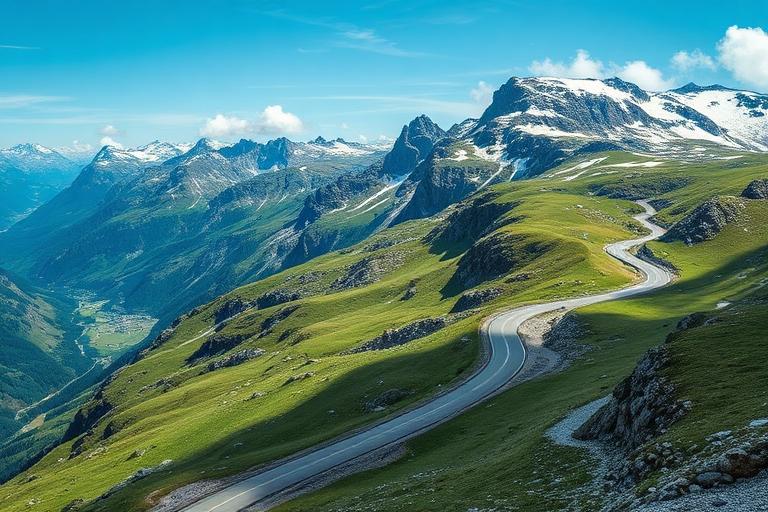
Austria's most spectacular mountain road, winding through the High Tauern to views of the country's highest peak and longest glacier.
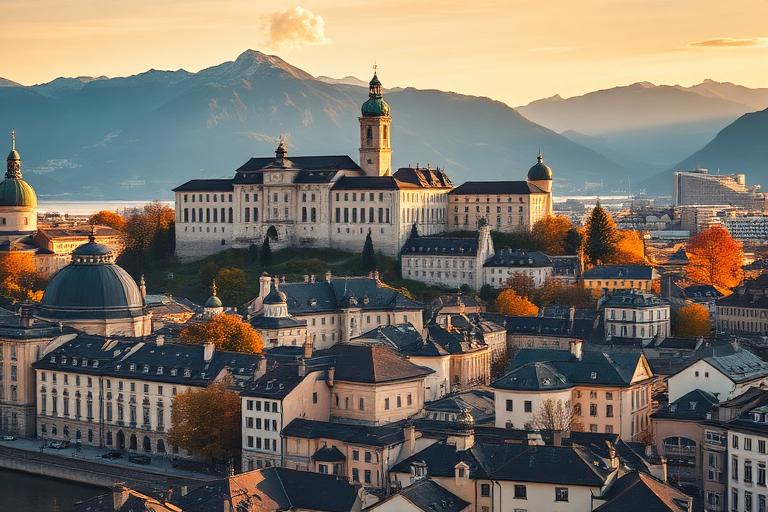
Mozart's birthplace, a baroque jewel of churches, squares, and the mighty Hohensalzburg Fortress set against an Alpine backdrop.
We use cookies for analytics and advertising, including Google AdSense and Google Analytics. You can accept or decline personalised advertising and measurement cookies. Essential cookies needed to display the site are always active. Read our privacy policy.