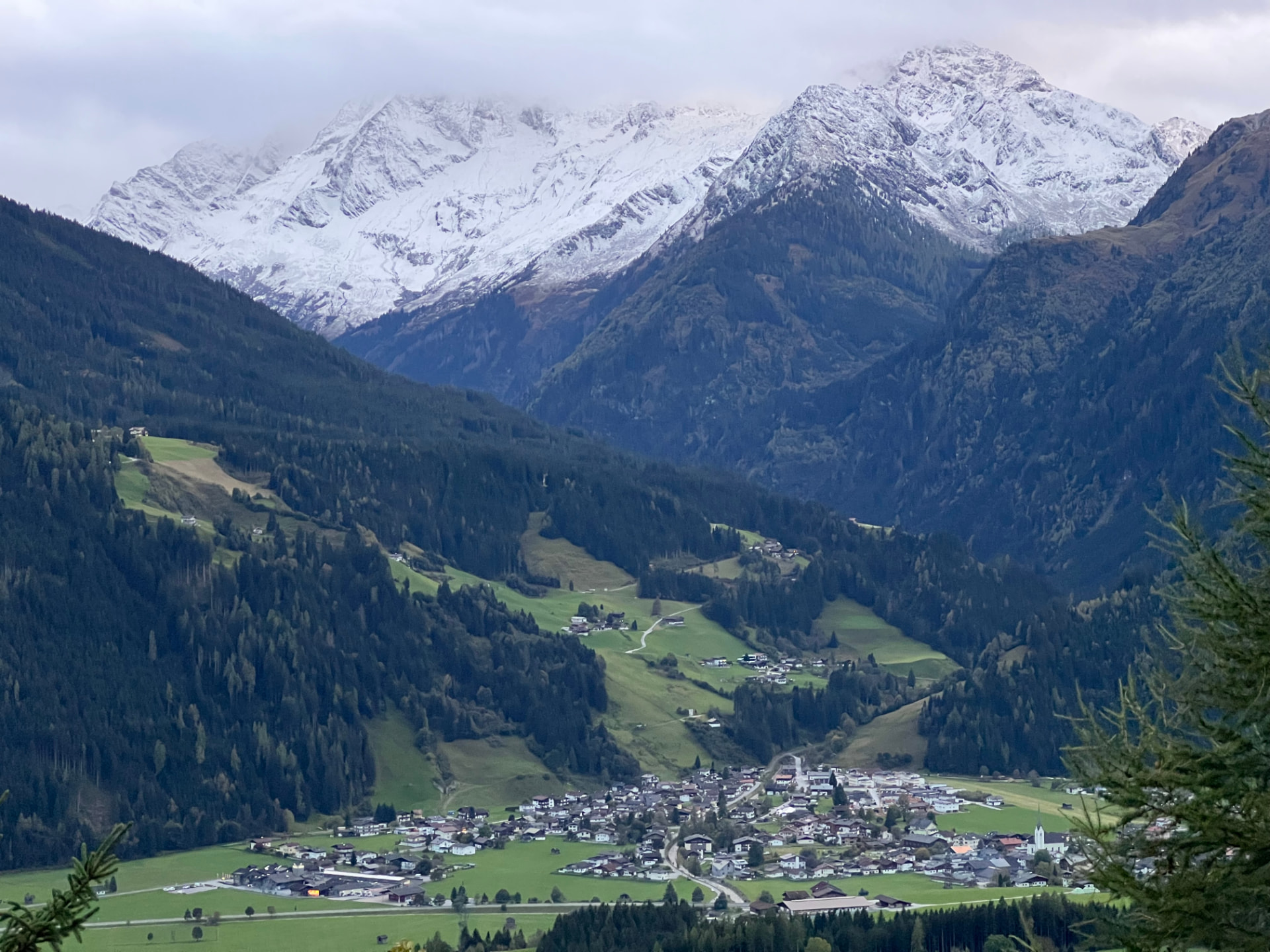
Austria splits naturally into two trips: the imperial cities of Vienna and Salzburg, and the alpine west of Tyrol and Salzburgerland. Both are easy by train, and the Grossglockner High Alpine Road — Austria's most spectacular drive — is the main reason to add a car for a few days.
Vienna is the main international gateway, with Salzburg and Innsbruck useful for the Alps. Railjet trains connect Vienna, Salzburg and Innsbruck on a two-hourly clock-face timetable, and international services run from Munich, Zurich, Prague and Budapest. Nightjet sleepers reach Vienna from Brussels, Paris and Hamburg.
Trains cover the country well and reach Hallstatt (via a small ferry from the station across the lake, which is a lovely arrival). A car is needed for the Grossglockner road, which is open roughly May to early November, charges around €40 per car, and closes at night. Motorways require a vignette, sold as a digital 10-day pass.
Vienna's 1st to 7th districts for the city, Salzburg's Altstadt or the Neustadt across the river, Hallstatt or nearby Obertraun for the lake, and Zell am See or Heiligenblut as bases for the Grossglockner. Hallstatt itself has very few beds and is overwhelmed by day trippers between 10:00 and 16:00 — staying the night is the way to see it empty.
Plan €110–200 per night for a city double, €14–24 for a main course, €4.50 for a 24-hour Vienna transport ticket, €16 for Schönbrunn's Grand Tour and €40 for the Grossglockner toll. The Vienna City Card and the Salzburg Card both include transport and museum entry.
Written and researched by travellerseasy. Guides combine first-hand material where available with checks against official transport, park and tourism sources. Prices and timetables change — read our editorial standards to see how these guides are researched, and tell us if something is out of date.