How to get there
Fly to Bodø and take the ferry to Moskenes, or fly directly to Leknes or Svolvær. A car is essential; the E10 links the whole archipelago end to end.
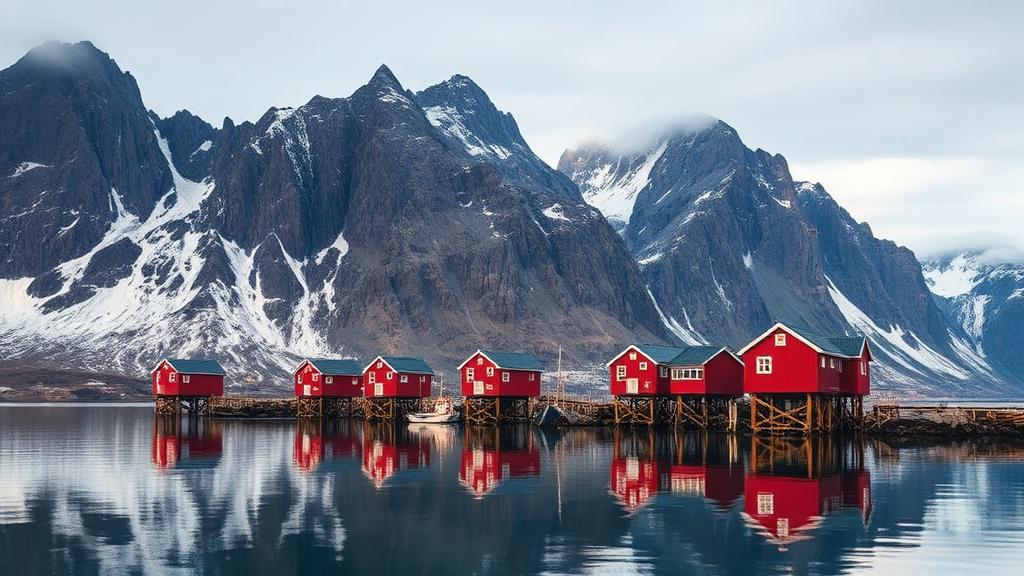 Norway
An Arctic archipelago of jagged peaks, white-sand beaches, and traditional red fishing cabins set against the Northern Lights.
Photograph by Anas Morsali, taken during his own trip
The Lofoten Islands are an archipelago in northern Norway, above the Arctic Circle, renowned for their dramatic scenery of towering granite peaks, sheltered bays, and pristine beaches. Despite their Arctic location, the islands enjoy a relatively mild climate thanks to the Gulf Stream, making them habitable and stunningly green in summer. The traditional red wooden fishing cabins (rorbuer), originally used by seasonal fishermen, have been converted into charming accommodation for visitors. The village of Reine, often called the most beautiful village in Norway, sits at the base of dramatic peaks reflected in calm fjord waters. Lofoten is also one of the world's premier locations for viewing the Northern Lights from September to March, and the Midnight Sun from late May to mid-July. The islands offer world-class hiking, including the challenging ascent of Reinebringen, and excellent opportunities for sea kayaking, fishing, and surfing at the Arctic beach of Unstad.
Planning the wider trip? The Norway planning guide covers how to get there, how to move around, where to stay, realistic costs and a day-by-day itinerary that includes Lofoten Islands.
Fly to Bodø and take the ferry to Moskenes, or fly directly to Leknes or Svolvær. A car is essential; the E10 links the whole archipelago end to end.
June to August for midnight sun, late September to March for the northern lights.
Four to six days.
Rorbuer (fishermen's cabins) NOK 1,500–2,500 per night; car hire NOK 900–1,200 per day.
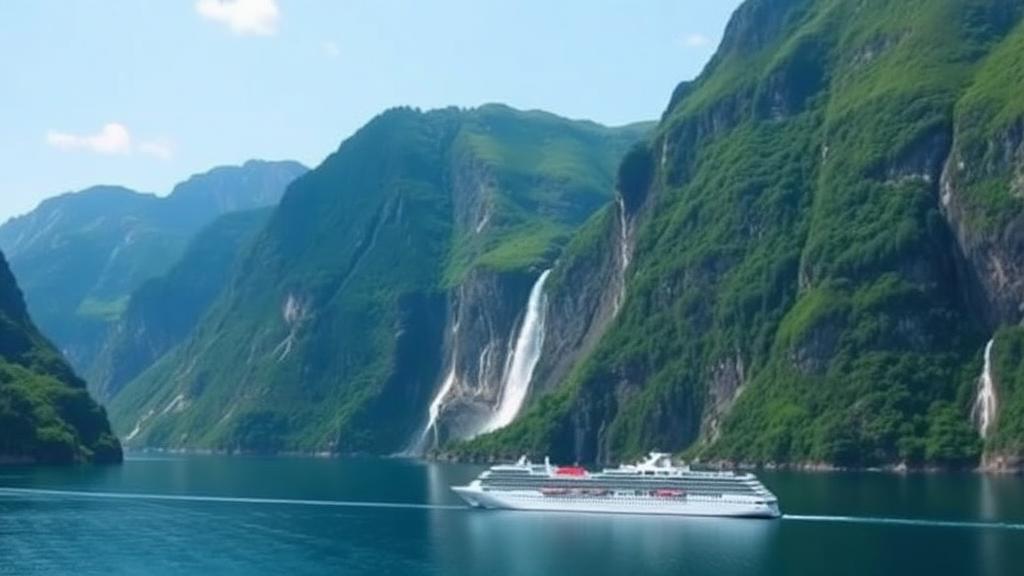
A UNESCO World Heritage fjord renowned for its deep blue waters, dramatic cliffs, and stunning waterfalls like the Seven Sisters.
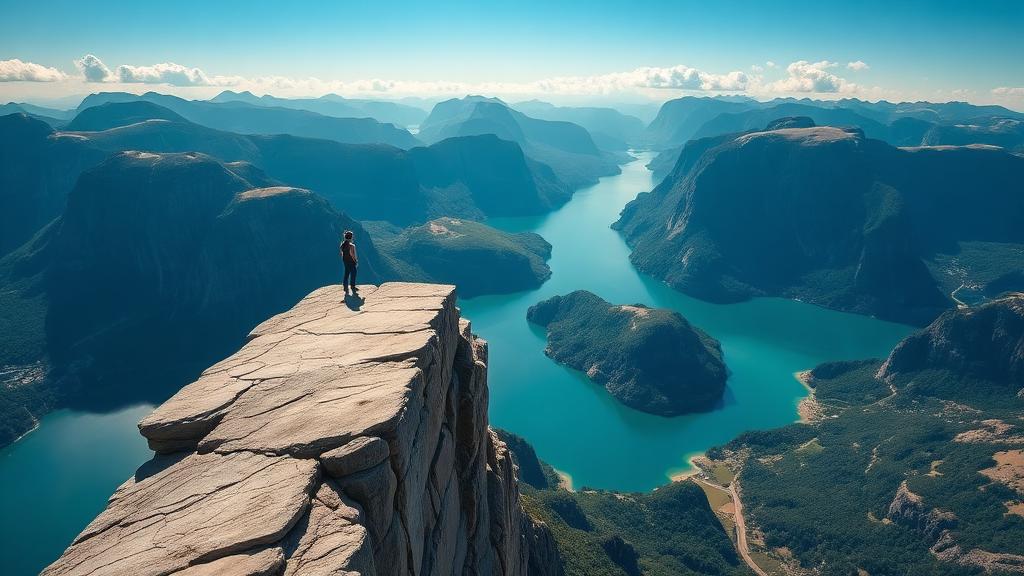
A flat-topped cliff rising 604 metres above the Lysefjord, offering one of the most iconic viewpoints in all of Norway.
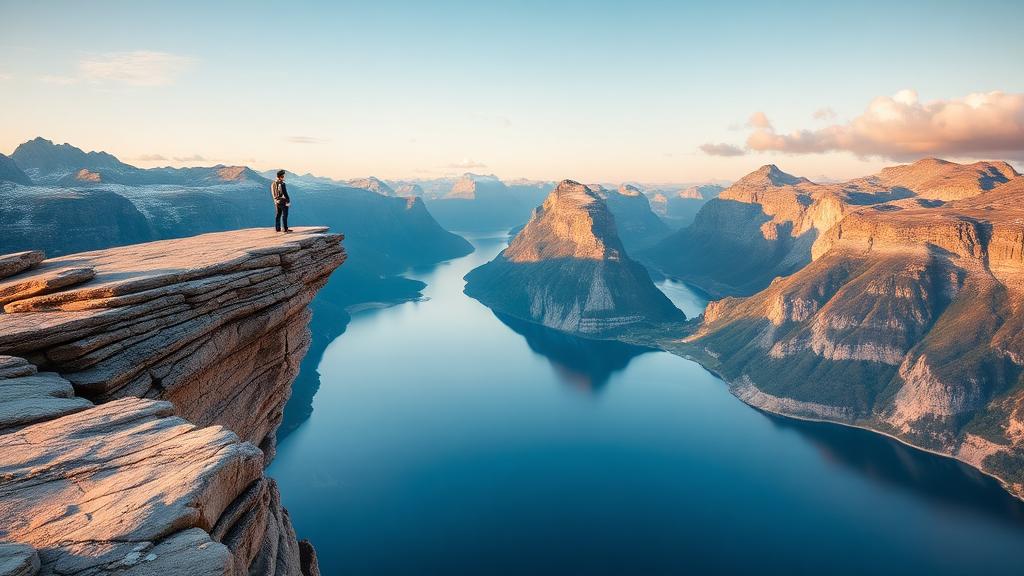
A spectacular rock formation jutting horizontally out of a mountain, hovering 700 metres above Lake Ringedalsvatnet.
We use cookies for analytics and advertising, including Google AdSense and Google Analytics. You can accept or decline personalised advertising and measurement cookies. Essential cookies needed to display the site are always active. Read our privacy policy.