How to get there
One hour from Belfast on the A26 and the Causeway Coastal Route. The stones themselves are free to reach on the public path; the visitor centre and its car park are ticketed.
 Ireland
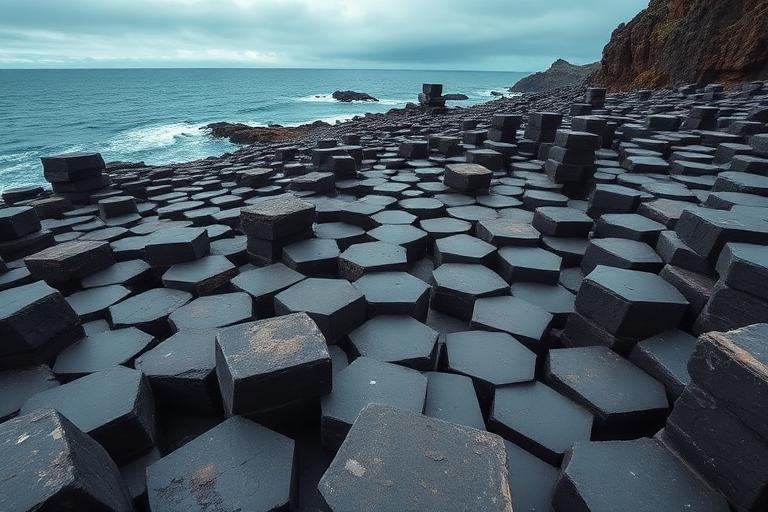
A UNESCO World Heritage Site of 40,000 interlocking hexagonal basalt columns formed by an ancient volcanic eruption.
Photograph by Anas Morsali, taken during his own trip
The Giant's Causeway is Northern Ireland's most iconic natural wonder and a UNESCO World Heritage Site, consisting of approximately 40,000 interlocking basalt columns — most of them hexagonal — formed by an ancient volcanic eruption around 60 million years ago. As molten basalt cooled and contracted, it fractured into the remarkably regular polygonal columns that create the appearance of a vast natural pavement descending from the cliff foot into the sea. The tallest columns reach about 12 metres high, and the solidified lava in the cliffs is 28 metres thick in places. According to Irish legend, the columns were built by the giant Fionn mac Cumhaill (Finn McCool) as a causeway to Scotland to fight his rival Benandonner — and remarkably, identical columns exist at Fingal's Cave on the Scottish island of Staffa. The site features several distinct formations with evocative names: the Giant's Boot, the Wishing Chair, the Giant's Organ, and the Chimney Tops. The coastal path from the causeway to the clifftop offers spectacular views along the Antrim coast. The award-winning visitor centre provides excellent exhibitions on the geology, mythology, and ecology of this extraordinary landscape.
Planning the wider trip? The Ireland planning guide covers how to get there, how to move around, where to stay, realistic costs and a day-by-day itinerary that includes Giant's Causeway.
One hour from Belfast on the A26 and the Causeway Coastal Route. The stones themselves are free to reach on the public path; the visitor centre and its car park are ticketed.
All year; spring and autumn have the best light and fewest coaches.
2 to 3 hours.
Visitor experience around £15.50 including parking; the shuttle bus down to the stones is £1.50 each way.
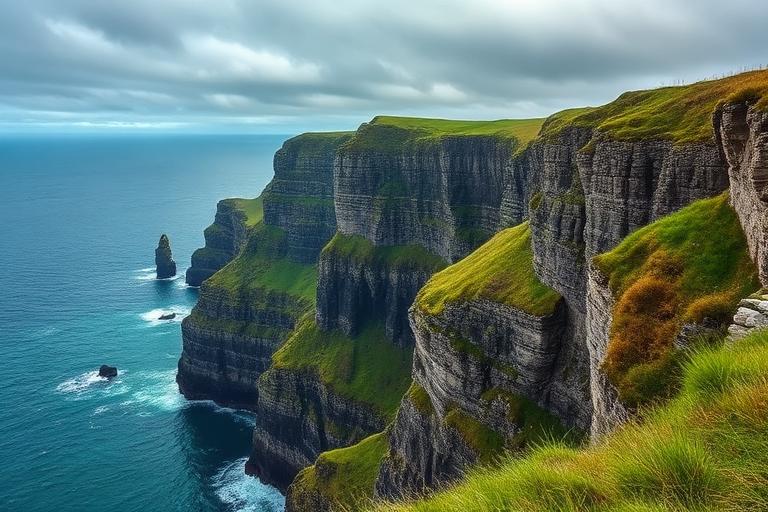
Ireland's most visited natural attraction — towering 214-metre sea cliffs stretching 14 km along the wild Atlantic coast of County Clare.
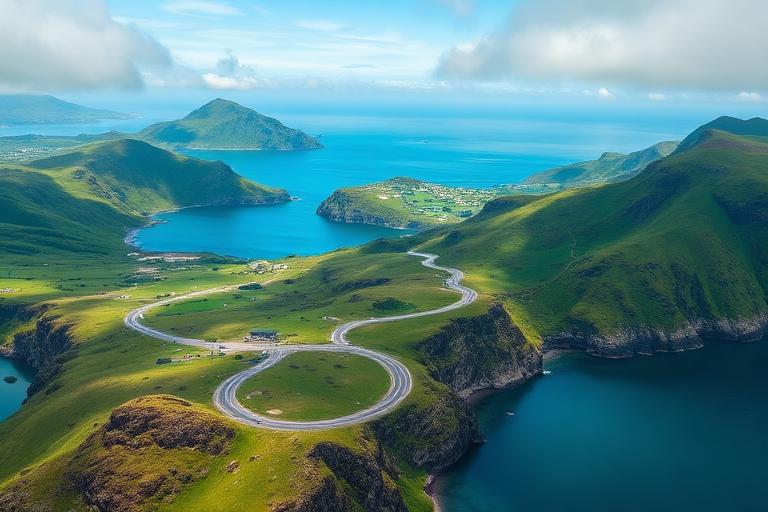
A spectacular 179-km scenic drive through Kerry's mountains, lakes, and coastline — one of the most beautiful road trips in Europe.
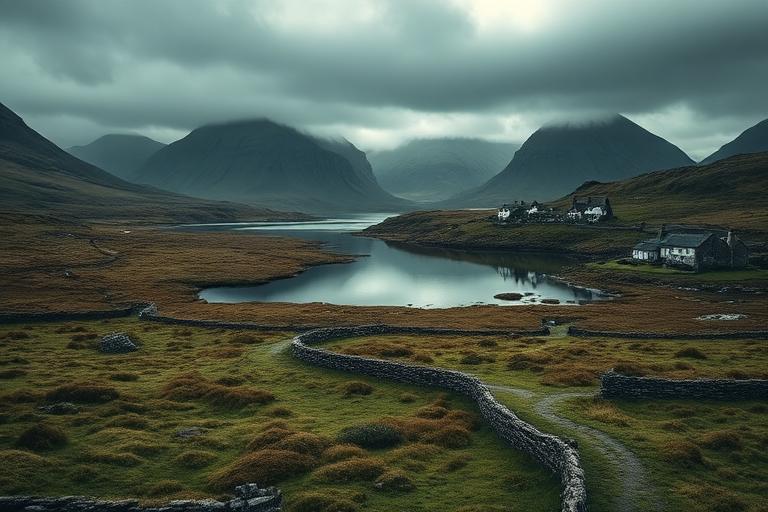
A wild, untamed region of boglands, mountains, lakes, and rugged coastline — the soul of Ireland's Gaeltacht heartland.
We use cookies for analytics and advertising, including Google AdSense and Google Analytics. You can accept or decline personalised advertising and measurement cookies. Essential cookies needed to display the site are always active. Read our privacy policy.