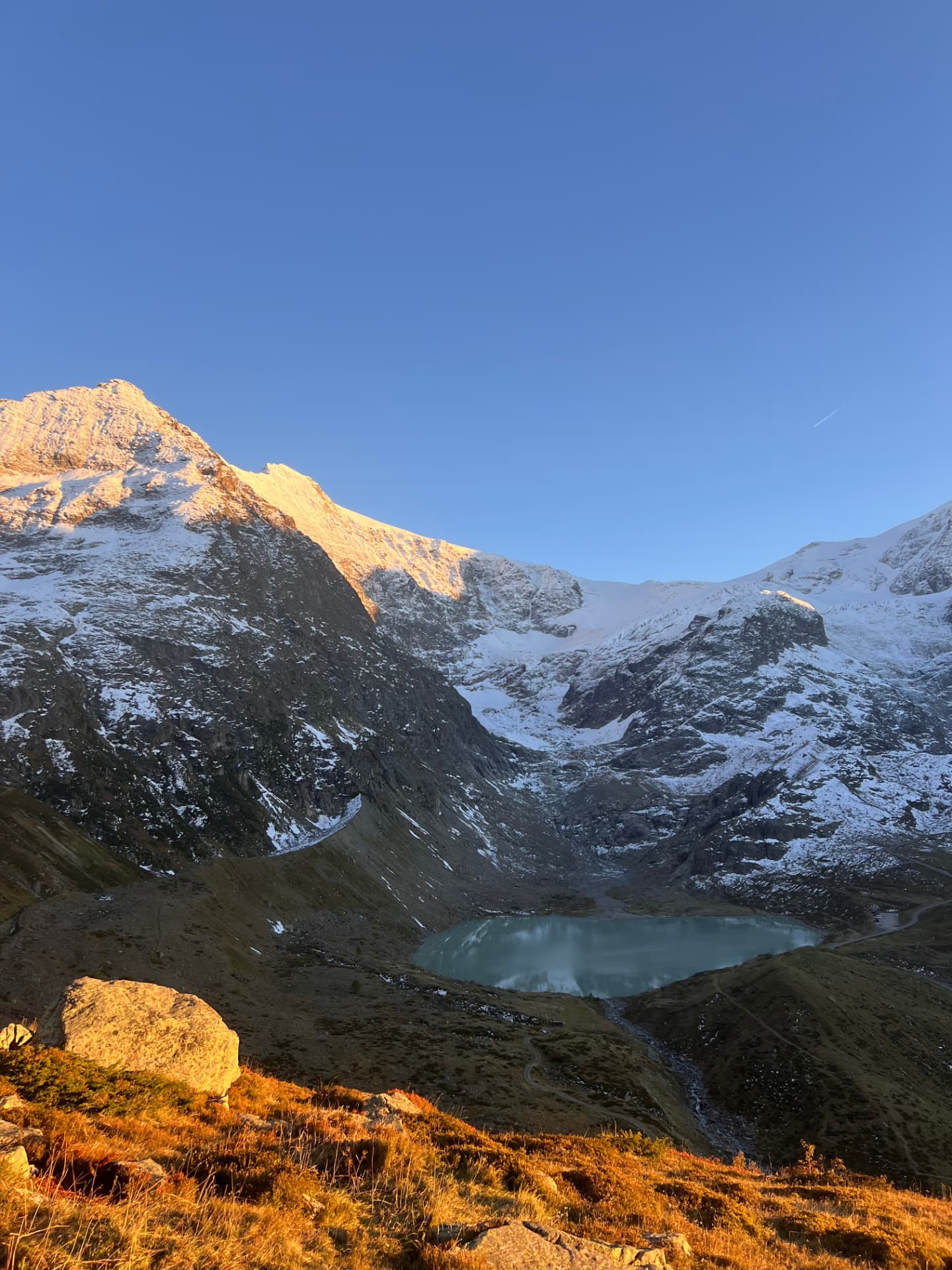
Switzerland is the easiest alpine country to travel without a car, because the trains, buses, boats and cable cars are timetabled as one integrated system. The real planning question is which travel pass to buy, since mountain railways are expensive and the discounts vary from 25% to 100% depending on the operator.
Zurich and Geneva airports both have direct rail stations under the terminal. Basel serves the north, and Milan Malpensa is a practical entry point for Ticino and Zermatt via the Simplon route. High-speed trains connect from Paris, Milan and Frankfurt.
The Swiss Travel Pass covers trains, buses, boats and city transport, plus free entry to over 500 museums, and gives 50% off most mountain railways. The Half Fare Card is cheaper and halves nearly every fare — better value on trips longer than a week. Trains leave on the minute stated; connections of four minutes are designed to work. Cars need a CHF 40 motorway vignette.
Zermatt (car-free) for the Matterhorn, Lauterbrunnen or Wengen for the Jungfrau region, Interlaken for convenience, and Lucerne for lakes and day trips. Staying up in Wengen or Mürren rather than in the valley buys you quiet evenings and first light on the peaks, at the cost of a last cable car around 23:00.
Switzerland is costly: CHF 180–300 per night for a double, CHF 25–40 for a simple restaurant meal, CHF 120 return to Jungfraujoch even with a half-fare card, and CHF 95 return for the Gornergrat railway. Cooking in an apartment and buying Migros or Coop picnic supplies cuts daily costs substantially.
Written and researched by travellerseasy. Guides combine first-hand material where available with checks against official transport, park and tourism sources. Prices and timetables change — read our editorial standards to see how these guides are researched, and tell us if something is out of date.