How to get there
A 45-minute drive from Tórshavn over a single-track mountain road with passing places. Park in the paid car park by the church; the walk down to the tidal lagoon is only possible at low tide.
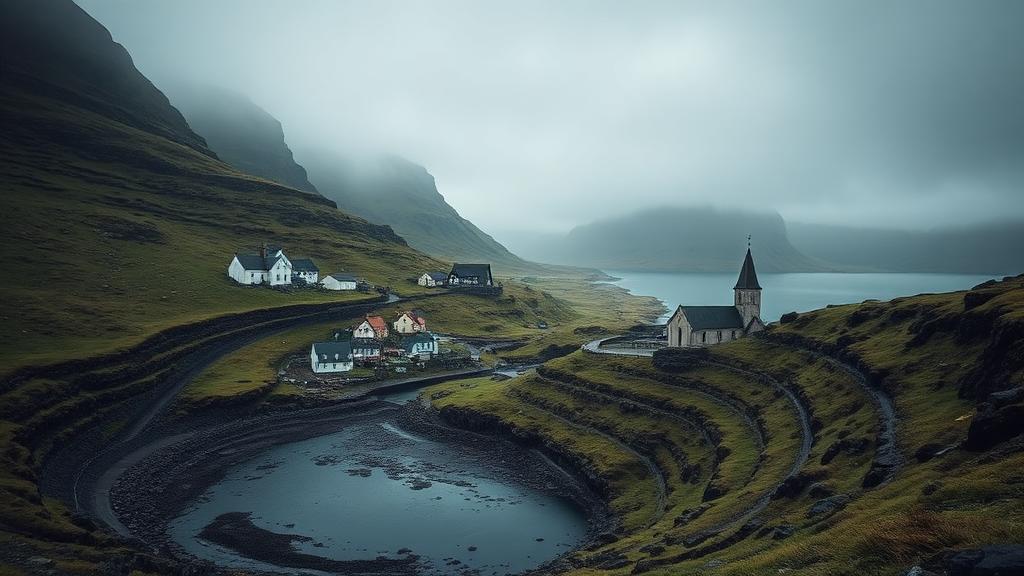 Faroe Islands
A remote village nestled in a natural amphitheatre of mountains, featuring a tidal lagoon and a historic stone church.
Photograph by Anas Morsali, taken during his own trip
Saksun is a tiny village of approximately 14 inhabitants, tucked into a dramatic natural amphitheatre formed by steep mountains on the island of Streymoy. The village is centred around a tidal lagoon that fills and empties with the ocean tides, creating an ever-changing landscape throughout the day. The historic turf-roofed stone church, Dúvugarðar, dates back to the 17th century and now serves as a museum. At low tide, it's possible to walk across the black sand of the lagoon to the mouth of the inlet where the ocean waves crash against the narrow opening. The surrounding mountains offer several hiking routes with panoramic views over the village and the wild North Atlantic. Saksun is often shrouded in mist, giving it an ethereal, otherworldly atmosphere that photographers and nature lovers find irresistible.
Planning the wider trip? The Faroe Islands planning guide covers how to get there, how to move around, where to stay, realistic costs and a day-by-day itinerary that includes Saksun village.
A 45-minute drive from Tórshavn over a single-track mountain road with passing places. Park in the paid car park by the church; the walk down to the tidal lagoon is only possible at low tide.
May to September; the road can be closed by snow in winter.
1 to 2 hours.
Parking around DKK 60; the Dúvugarðar farm museum charges a small entrance fee.
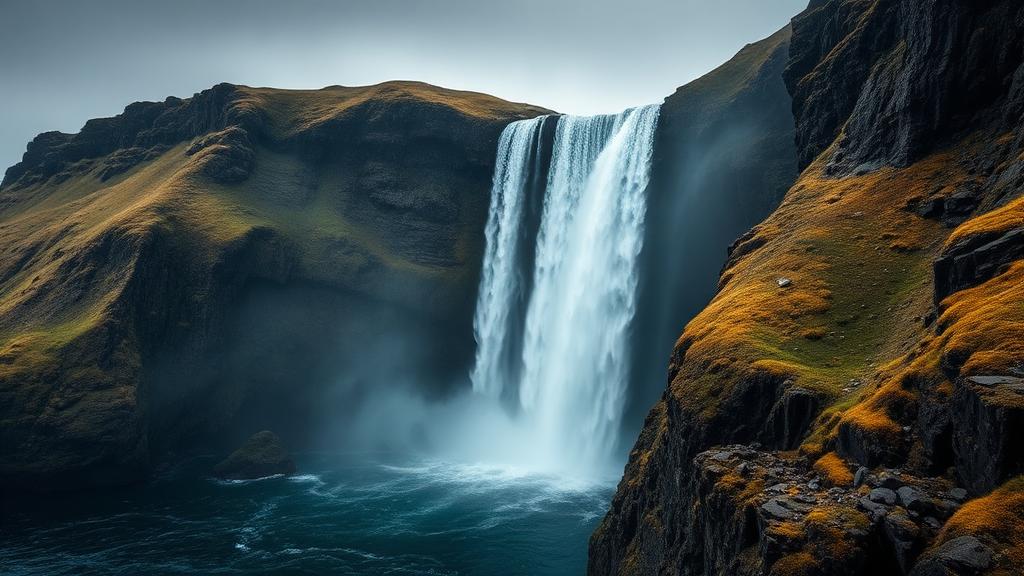
A breathtaking waterfall plunging directly into the ocean from a cliff edge, with the tiny village of Gásadalur as its stunning backdrop.
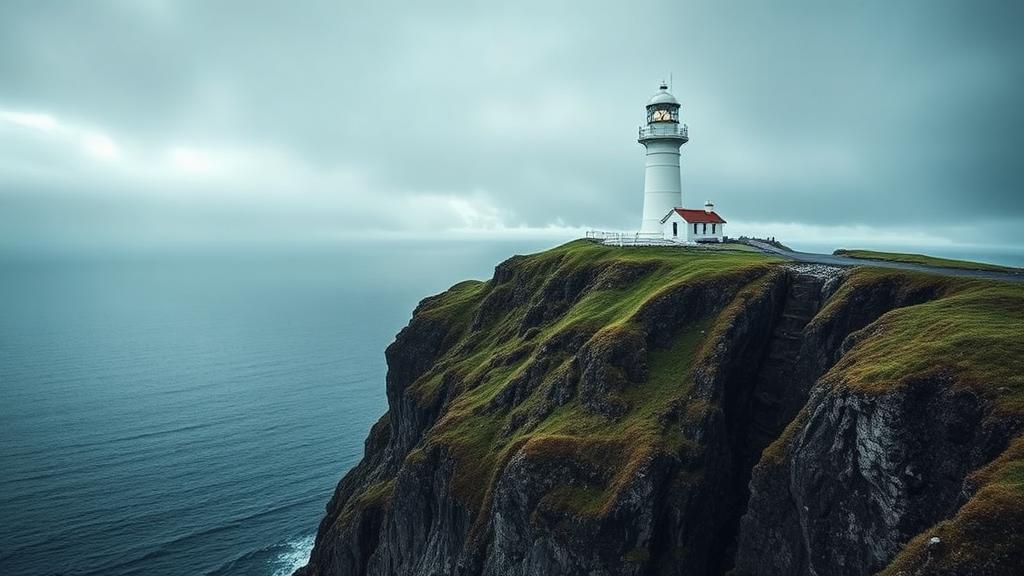
A scenic hike on the narrow island of Kalsoy leading to an iconic lighthouse perched on dramatic sea cliffs.
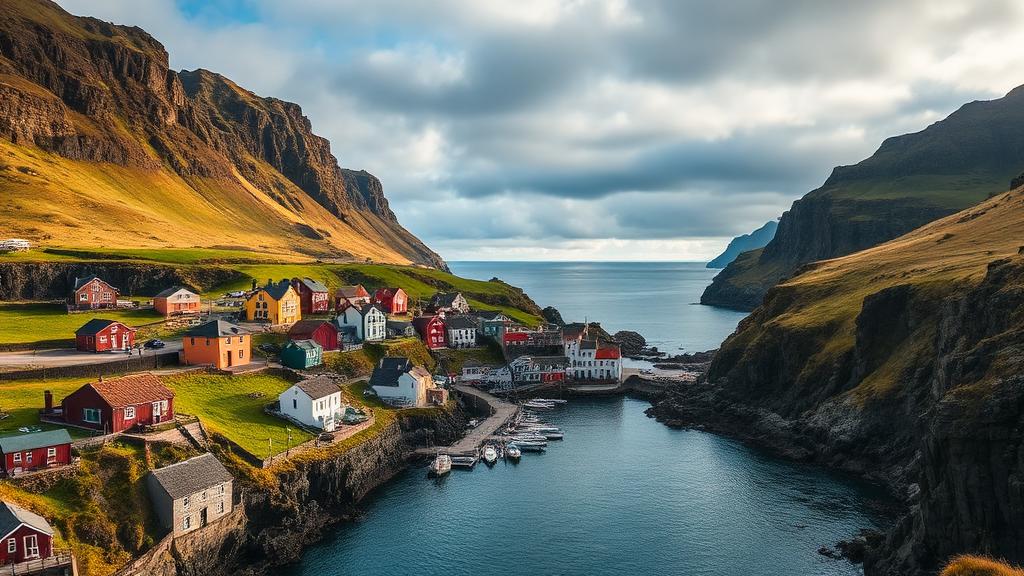
A charming village named after its natural gorge harbour, offering stunning coastal views and traditional Faroese architecture.
We use cookies for analytics and advertising, including Google AdSense and Google Analytics. You can accept or decline personalised advertising and measurement cookies. Essential cookies needed to display the site are always active. Read our privacy policy.