Faroe Islands, Faroe Islands
    Back

    Faroe Islands

    Faroe Islands

    A Hidden Nordic Paradise of Dramatic Cliffs and Untamed Beauty

    Best time to visit

    April – October

    Location

    Faroe Islands

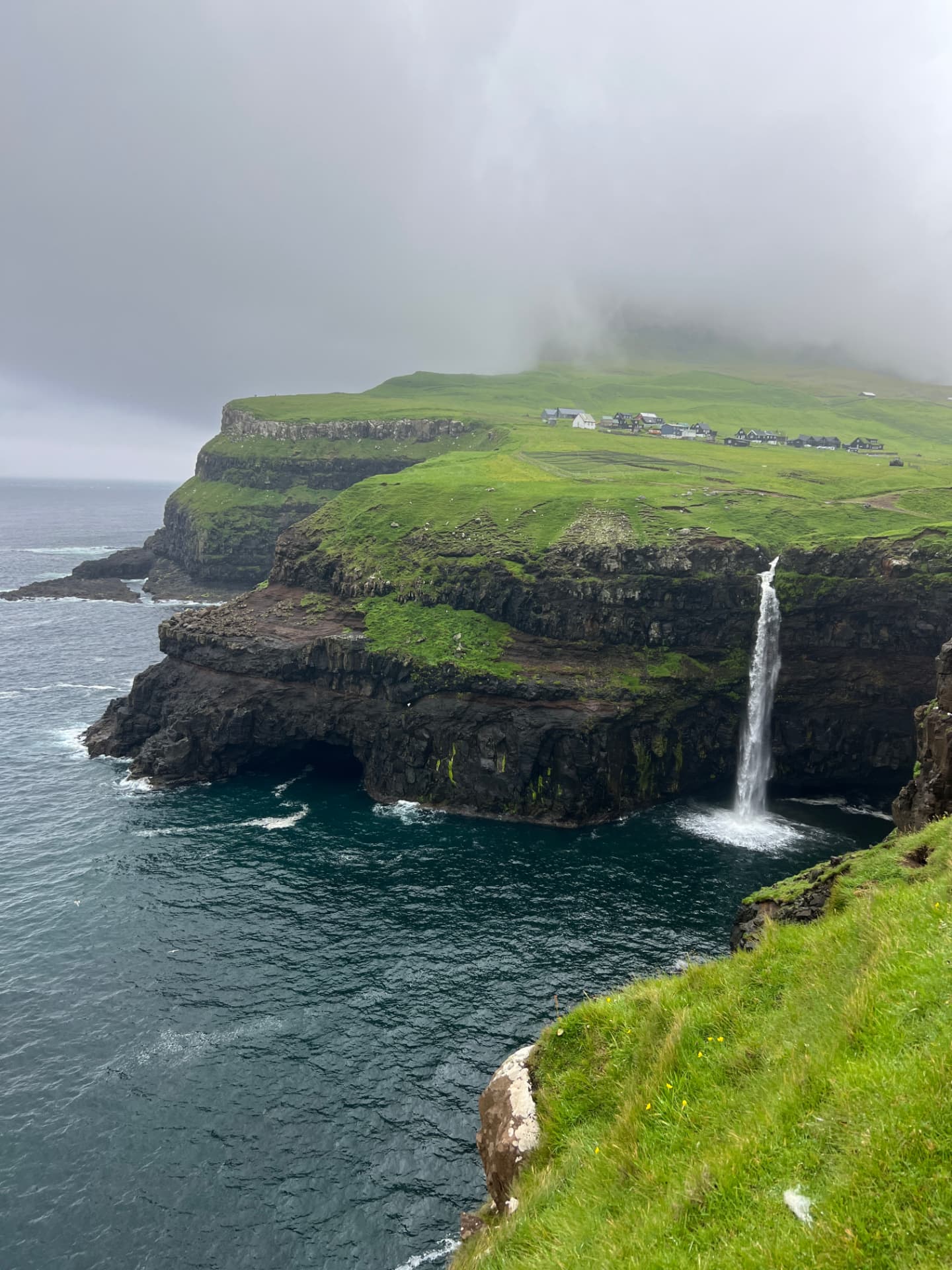
    Photograph by Anas Morsali, taken during his own trip

    Written and reviewed by Anas Morsali, founder of travellerseasyLast reviewed 11 September 2026Based on the author's own tripHow we research

    About Faroe Islands

    Nestled in the North Atlantic Ocean between Iceland and Norway, the Faroe Islands are a breathtaking archipelago of 18 volcanic islands known for their towering sea cliffs, cascading waterfalls, and vibrant green landscapes. Part of the Kingdom of Denmark, this remote destination offers dramatic scenery shaped by the Atlantic winds and centuries of Nordic heritage.

    Highlights

    Planning guide: Faroe Islands

    The Faroe Islands reward patience more than planning. Weather arrives from four directions in a single afternoon, many of the best viewpoints sit on private land with a small access fee, and the whole archipelago is small enough to cross in two hours by car. This guide covers the practical rules that catch visitors out — landowner fees, tunnel tolls, ferry timetables — alongside a realistic five-day route.

    Getting there

    Vágar Airport (FAE) is the only airport, with direct flights from Copenhagen, Billund, Reykjavík, Edinburgh and, seasonally, Barcelona and Paris. Atlantic Airways and SAS operate most routes. The alternative is the Smyril Line ferry from Hirtshals in Denmark via Tórshavn, which takes around 36 hours and lets you bring your own car.

    Getting around

    Rent a car at the airport — it is the only way to keep a flexible schedule. The islands are linked by sub-sea tunnels; the Vágar and Eysturoy tunnels are tolled and the charge is billed automatically to the rental company, usually at DKK 100–175 per crossing. Ferries to Kalsoy, Mykines and Suðuroy run a handful of times per day and fill up in summer, so arrive 30 minutes early. Bus and ferry timetables are published together on the national transport site.

    Where to stay

    Tórshavn is the practical base: half the population lives there and nothing is more than 90 minutes away. Klaksvík works well if you want early access to the northern islands and the Kalsoy ferry. Guesthouses in Gjógv and Saksun are limited in number and book out months ahead, but staying in a village of 15 people is the single most memorable thing you can do here.

    What it costs

    The Faroes are expensive. Budget roughly DKK 1,200–1,800 (€160–240) per night for a hotel double in Tórshavn, DKK 150–250 for a main course, DKK 600–900 per day for a small rental car, and DKK 200–300 per person for landowner access fees at sites such as Sørvágsvatn, Trælanípa and Kallur.

    Suggested itinerary

    1. Day 1

      Vágar

      Land, collect the car, and walk the Sørvágsvatn 'lake above the ocean' trail (about 2 hours return, access fee payable at the trailhead). Finish at Múlafossur waterfall in Gásadalur.

    2. Day 2

      Streymoy

      Drive the old mountain road to Saksun, time the visit to low tide so you can walk the black-sand lagoon, then continue to Tjørnuvík for views of the Risin and Kellingin sea stacks.

    3. Day 3

      Eysturoy

      Gjógv in the morning for the sea gorge, then the hike up Slættaratindur, the highest point in the islands, if the cloud base is above 800 m.

    4. Day 4

      Kalsoy

      Take the first ferry from Klaksvík, drive through the four one-lane tunnels to Trøllanes, and hike 45 minutes to Kallur Lighthouse. Check the return ferry time before you start.

    5. Day 5

      Tórshavn and Mykines

      If the sea is calm, take the boat to Mykines for puffins between May and August. Otherwise explore Tinganes, the turf-roofed old town of Tórshavn, and the Nordic House.

    Practical planning tips

    • Fuel stations are sparse outside Tórshavn and many are unmanned — keep a card that works at automated pumps.
    • Sheep have right of way on every road, and one-lane tunnels require you to use the marked passing bays.
    • Waterproof shoes and a hard-shell jacket matter more than warm layers; horizontal rain is normal even in July.
    • Mykines closes to visitors outside the seabird season, roughly May to late August.

    Common questions

    How many days do you need?

    Five days covers the main islands comfortably. Three is enough for Vágar, Streymoy and Eysturoy if the weather cooperates.

    Do you have to pay to hike?

    On several routes, yes. Trails crossing private land — Sørvágsvatn, Trælanípa, Kallur, Saksun — charge DKK 75–200 per person, paid at the trailhead or online.

    Written and researched by travellerseasy. Guides combine first-hand material where available with checks against official transport, park and tourism sources. Prices and timetables change — read our editorial standards to see how these guides are researched, and tell us if something is out of date.