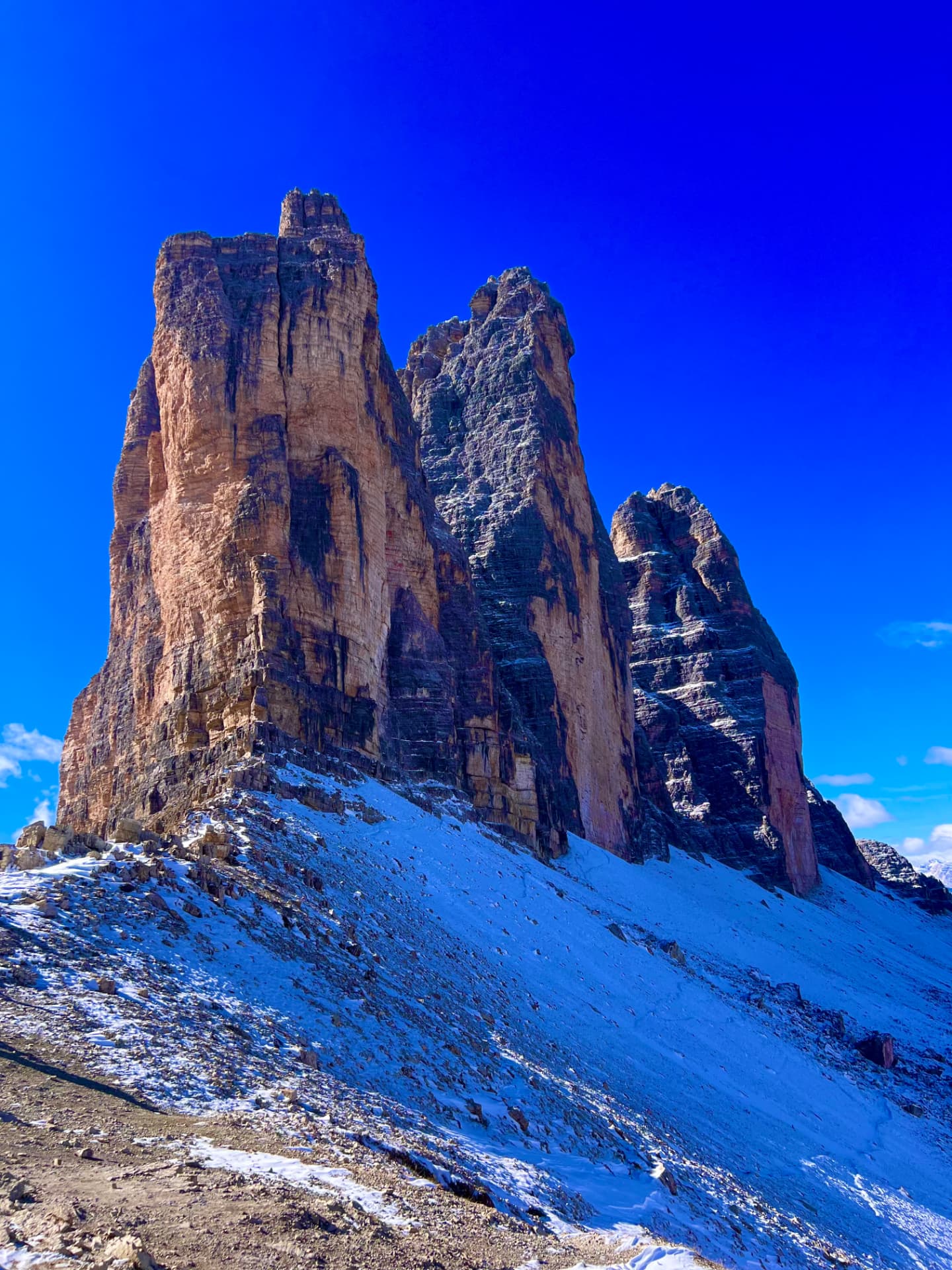
Dolomites, Italy
    Back

    Italy

    Dolomites

    Towering peaks and golden meadows in the heart of the Alps

    Best time to visit

    June – September

    Location

    Italy

    Photograph by Anas Morsali, taken during his own trip

    Written and reviewed by Anas Morsali, founder of travellerseasyLast reviewed 11 September 2026Based on the author's own tripHow we research

    About Dolomites

    The Dolomites are a mountain range in northeastern Italy, part of the Southern Limestone Alps. They are renowned for their dramatic vertical walls, sheer cliffs, and narrow, deep valleys. The area offers some of the most spectacular hiking and climbing in Europe, with trails winding through alpine meadows dotted with wildflowers beneath towering limestone spires.

    Video

    Highlights

    Planning guide: Dolomites

    The Dolomites are best understood as a collection of valleys rather than a single destination. Val Gardena, Alta Badia, Val di Funes and the Cortina basin each have their own dialect, cuisine and cable car network, and choosing the wrong base can cost you two hours of driving every morning. This guide focuses on the logistics that short destination summaries often skip: where to sleep, how the lift passes work, and how to see the classic viewpoints without arriving at a full car park.

    Getting there

    The nearest useful airports are Venice Marco Polo (about 2h30 to Cortina), Verona (2h45 to Val Gardena) and Innsbruck (1h45 to Val Gardena over the Brenner Pass). Trains reach Bolzano and Brunico, from where SAD/Südtirolmobil buses climb into the valleys; the bus network is reliable and cheap, but it does not run early enough for sunrise hikes. Renting a car in Verona or Innsbruck is usually the best compromise, and winter tyres are legally required from mid-November to mid-April.

    Getting around

    Distances look short on a map and take twice as long in practice because the roads are a series of switchbacks over passes such as Sella, Gardena and Falzarego. Plan roughly 40 km/h average. Several access roads (Tre Cime di Lavaredo, Val di Fanes, parts of Alpe di Siusi) are toll roads or closed to private cars during the day, so check opening hours the evening before. Cable cars in Val Gardena and Alta Badia typically run 08:30–17:00 in summer; the last descent is strictly enforced.

    Where to stay

    Ortisei and Santa Cristina suit first-time visitors: lifts start in the village and there are restaurants within walking distance. Corvara and San Cassiano are quieter and better positioned for the Sella passes. Cortina d'Ampezzo is the most expensive option but the natural base for Tre Cime and Cinque Torri. For a different experience, book a night in a rifugio (mountain hut) such as Locatelli or Lagazuoi: dormitory beds, half board included, and sunrise light you cannot reach from the valley.

    What it costs

    Expect roughly €120–200 per night for a double room in a valley guesthouse in high season, €60–80 per person for half board in a rifugio, €35–50 for a return cable car ticket, and €30 per day for a toll road such as Tre Cime. A Südtirol Guest Pass, given out by many hotels, covers regional buses and trains and often pays for itself in two days.

    Suggested itinerary

    1. Day 1

      Val Gardena and Seceda

      Take the Ortisei cable car to Seceda in the late afternoon, walk 30 minutes along the ridge away from the arrival station, and stay for the light on the Odle spires before the last descent.

    2. Day 2

      Alpe di Siusi

      Start before 09:00 while the access road is still open to cars, or use the Compatsch cable car. The plateau is gentle walking with views towards Sassolungo — ideal for a recovery day.

    3. Day 3

      Tre Cime di Lavaredo

      Drive the toll road to Rifugio Auronzo early, walk the 10 km loop counter-clockwise in 3–4 hours, and eat at Rifugio Locatelli under the north faces.

    4. Day 4

      Lake Braies and Val di Funes

      Reach Lago di Braies before 07:00 for still water and no shuttle restrictions, then drive to Ranui in the afternoon for the classic church-and-Odle composition in side light.

    5. Day 5

      Sella passes

      Drive the Sella Ronda loop with stops at Passo Pordoi and Passo Gardena, or ride the Lagazuoi cable car and walk down through the World War I tunnels.

    Practical planning tips

    • Weather changes fast: afternoon thunderstorms are common in July and August, so start hikes early and check the South Tyrol mountain forecast the night before.
    • Most rifugi accept cards now, but carry €50 in cash for toll roads and smaller huts.
    • Trail numbers on signposts are more reliable than destination names — note the number before you leave the car park.
    • Book accommodation for August by March; the valleys genuinely sell out.

    Common questions

    Can you visit the Dolomites without a car?

    Yes, if you base yourself in Ortisei, Corvara or Cortina and accept that you will miss sunrise and sunset light at the remote viewpoints. Buses cover the main valleys well between 08:00 and 19:00.

    How difficult are the classic hikes?

    The Tre Cime loop, the Seceda ridge and the Lake Braies circuit are all non-technical and suitable for anyone comfortable walking 3–4 hours on uneven ground. Via ferrata routes are a different category and need a harness and training.

    Written and researched by travellerseasy. Guides combine first-hand material where available with checks against official transport, park and tourism sources. Prices and timetables change — read our editorial standards to see how these guides are researched, and tell us if something is out of date.