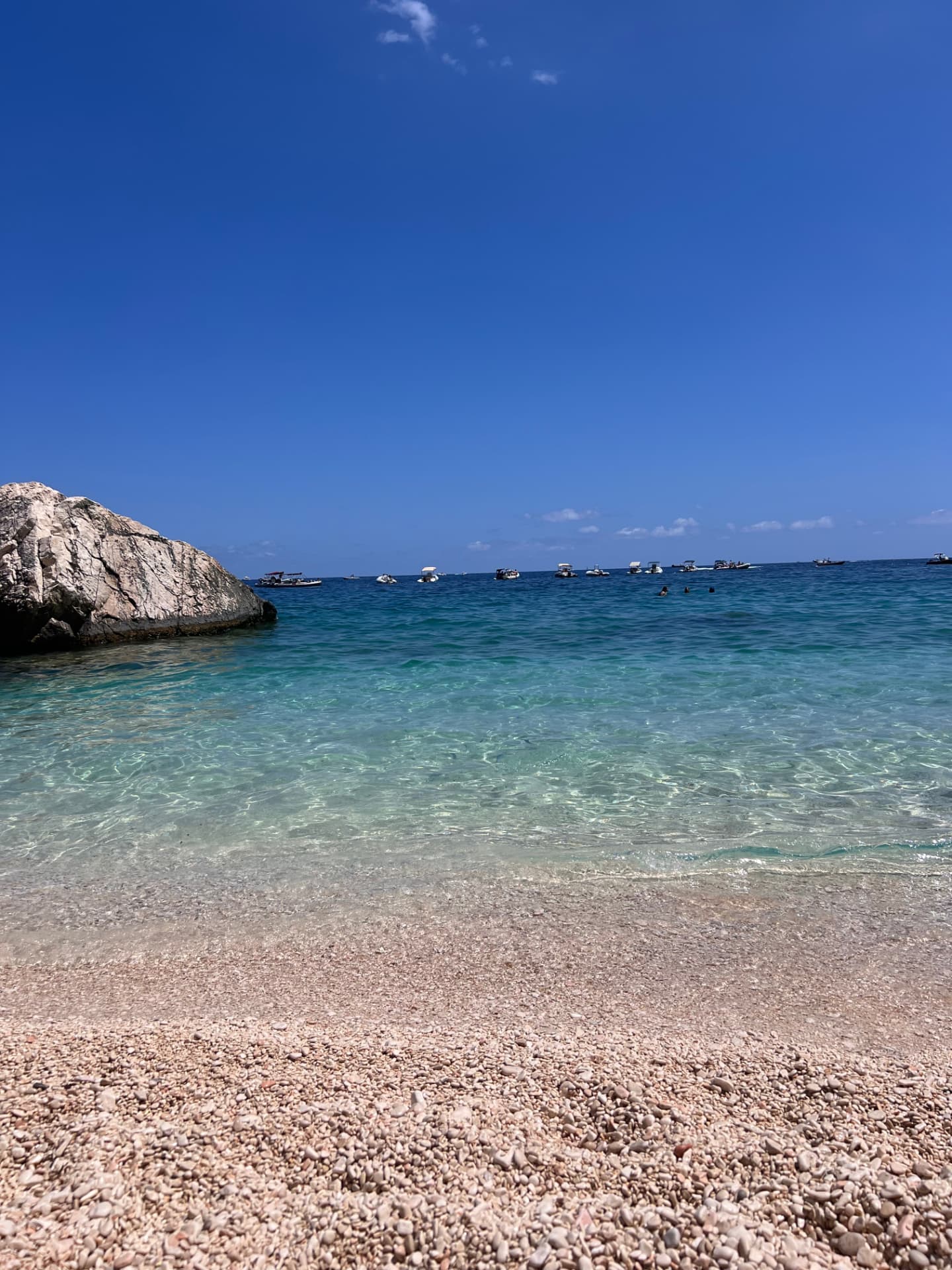
Sardegna, Italy
    Back

    Italy

    Sardegna

    A Mediterranean Jewel of Turquoise Waters, Ancient Ruins & Wild Coastlines

    Best time to visit

    May – October

    Location

    Italy

    Photograph by Anas Morsali, taken during his own trip

    Written and reviewed by Anas Morsali, founder of travellerseasyLast reviewed 11 September 2026Based on the author's own tripHow we research

    About Sardegna

    Sardegna (Sardinia), the second largest island in the Mediterranean, is a land of extraordinary contrasts where turquoise waters lap against pristine beaches, ancient nuraghi stone towers dot the rugged interior, and wild mountains give way to rolling vineyards. With a culture distinct from mainland Italy, shaped by millennia of Phoenician, Roman, and Spanish influence, Sardinia offers an authentic Mediterranean experience far from the beaten path.

    Highlights

    Planning guide: Sardegna

    Sardinia's coastline is over 1,800 km long, and the difference between the granite coves of the north-east and the limestone cliffs of the Golfo di Orosei is significant. Many of the best beaches now require advance booking and a daily visitor cap, which is the single most important thing to know before you travel.

    Getting there

    Cagliari, Olbia and Alghero all have summer flights from across Europe. Ferries from Civitavecchia, Livorno, Genoa, Naples, Barcelona and Marseille carry cars to Olbia, Porto Torres, Arbatax and Cagliari; the Civitavecchia–Olbia crossing takes 5–8 hours.

    Getting around

    A car is essential. The SS131 spine road is fast, but coastal roads are winding and slow. Cala Goloritzé, Cala Mariolu and several other Baunei beaches require an online reservation with a daily quota, and the walk down to Goloritzé takes about an hour each way with a genuine climb back. Boat trips from Cala Gonone or Santa Maria Navarrese are the alternative.

    Where to stay

    Olbia and the Costa Smeralda for the north-east and the Maddalena archipelago, Cala Gonone or Baunei for the Golfo di Orosei, Alghero for the north-west and Neptune's Grotto, and Villasimius or Chia for the southern beaches. Agriturismi inland are far cheaper than the coast and serve some of the best food on the island.

    What it costs

    August prices on the Costa Smeralda are exceptional; June and September cost roughly half. Budget €100–200 per night for a coastal double outside August, €30–45 per person for dinner, €40–60 per day for a small car, and €10–15 for beach reservations or parking at popular coves.

    Suggested itinerary

    1. Day 1–2

      Costa Smeralda and La Maddalena

      Porto Cervo, then a boat day around La Maddalena and Caprera with a stop at Spiaggia Rosa's viewpoint.

    2. Day 3–4

      Golfo di Orosei

      Book Cala Goloritzé in advance and hike down early, or take the boat from Cala Gonone to Cala Mariolu and Cala Luna.

    3. Day 5

      Supramonte and inland

      Gola su Gorropu canyon or the nuragic site of Tiscali, followed by dinner at an agriturismo near Oliena.

    4. Day 6–7

      Alghero and the north-west

      Neptune's Grotto by boat from Alghero, Capo Caccia at sunset and the Catalan old town.

    Practical planning tips

    • Beach reservations for the Baunei coves open in spring and sell out for August within days.
    • Sea conditions cancel boat trips regularly in spring; keep a spare day.
    • Removing sand, pebbles or shells from Sardinian beaches is illegal and fines are enforced at airports.
    • Many inland restaurants close on Sunday evenings and Mondays outside high season.

    Common questions

    Which coast is best?

    North-east for turquoise water and boat trips, east for dramatic cliffs and hikes, south for long sandy beaches with easier access, north-west for a mix of coast and old towns.

    Is September a good time?

    It is arguably the best month: warm sea, lower prices and far fewer crowds than August.

    Written and researched by travellerseasy. Guides combine first-hand material where available with checks against official transport, park and tourism sources. Prices and timetables change — read our editorial standards to see how these guides are researched, and tell us if something is out of date.